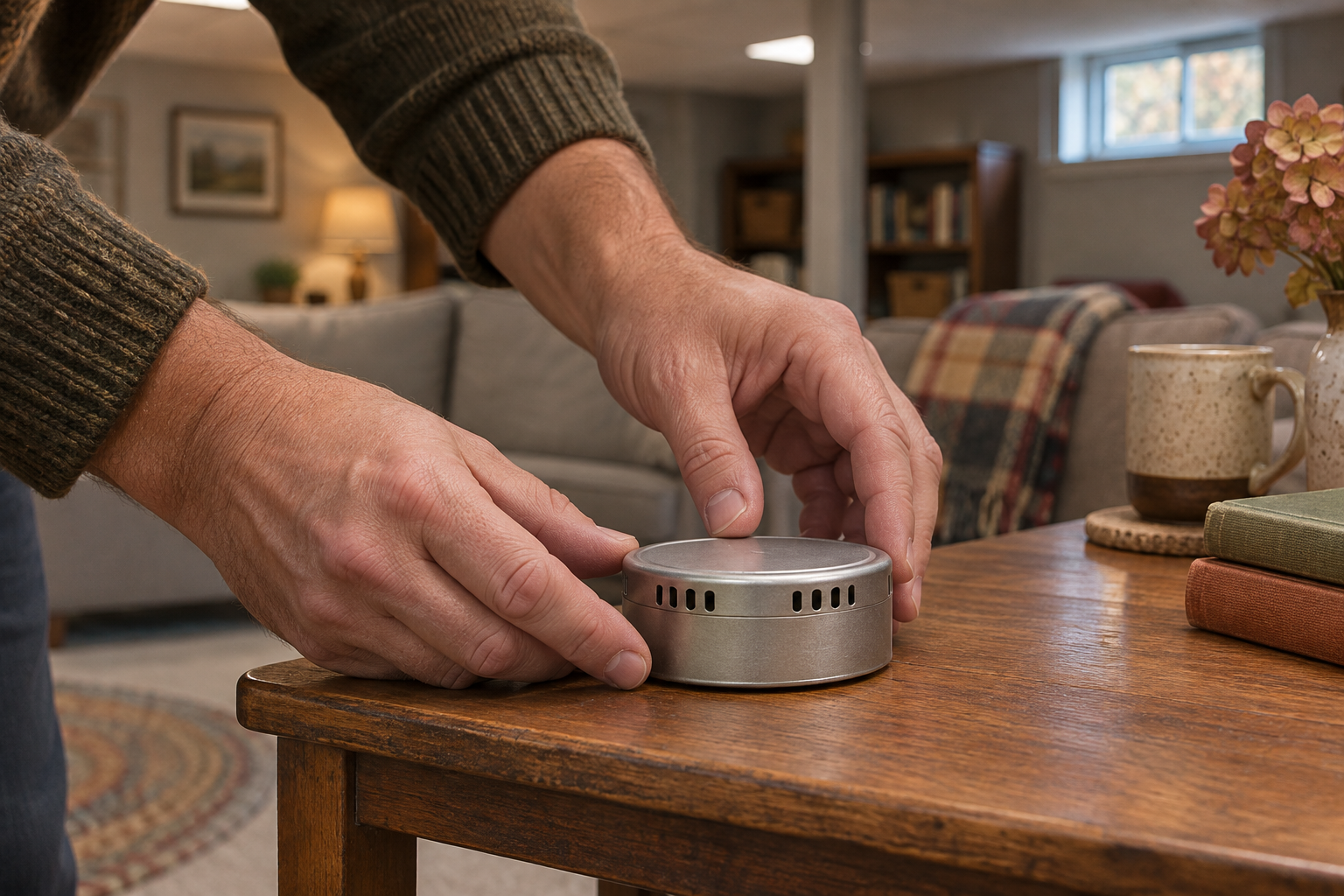
Two neighboring homes can have very different levels of radon. The radioactive gas seeps up from soil and rock and can build up indoors. You can’t see or smell it, but a home test can measure it. Long-term exposure is an established cause of lung cancer.
Matthew Bozigar, an environmental epidemiologist at Oregon State University, and coauthors wanted to know whether radon might be linked to other cancers. They compared estimated basement radon levels with 20 years of cancer diagnoses across 483 Massachusetts ZIP code areas, they report in a paper accepted by the International Journal of Health Geographics. Bladder cancer and melanoma were more common among men in areas with higher estimated radon. Those two patterns held up best when the team changed how it analyzed the data.
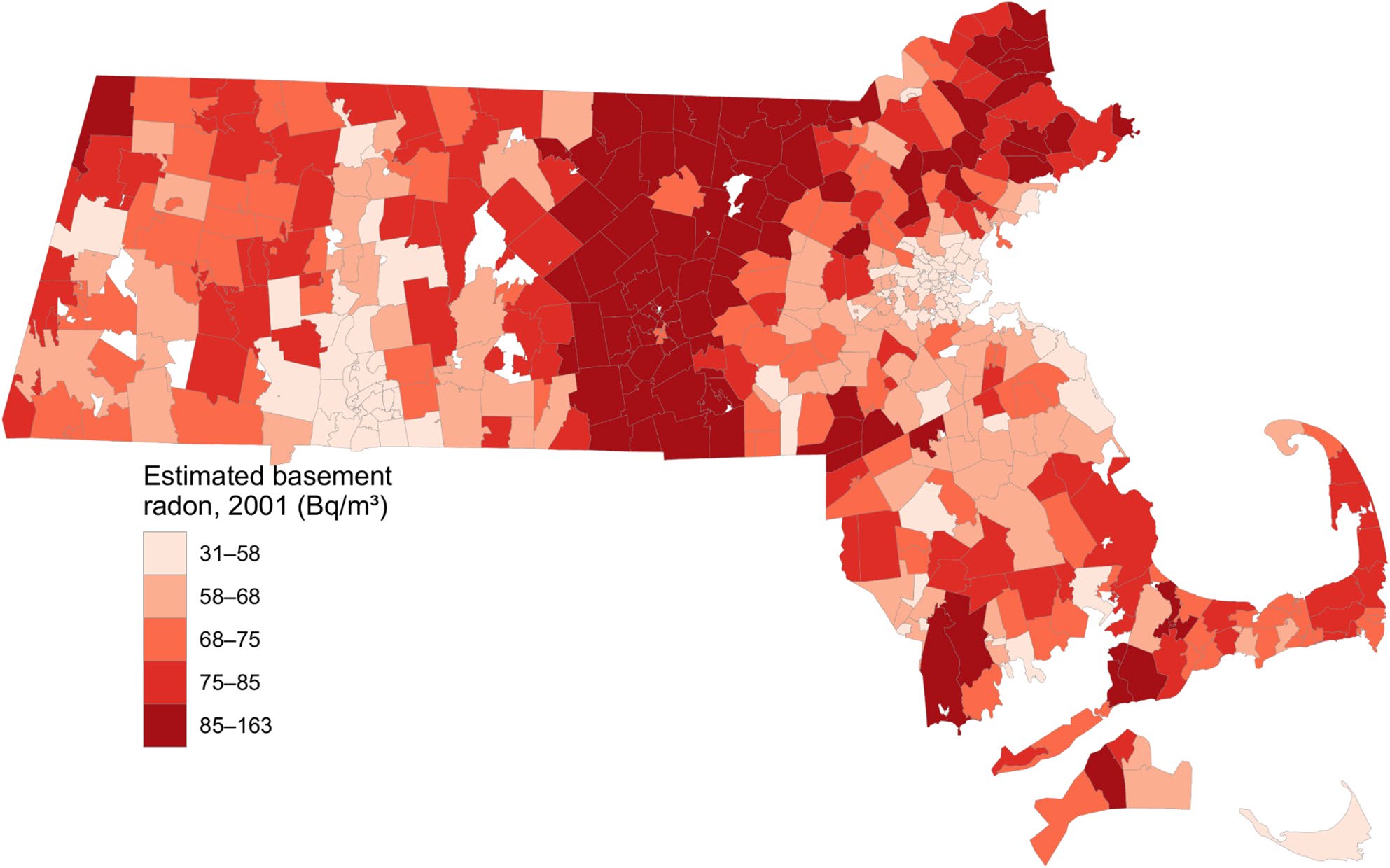
The researchers assigned each area an average radon estimate. They couldn’t tell how much radon the people diagnosed with cancer had breathed or where they had lived in the years before diagnosis. The main analysis couldn’t clearly detect even the established lung cancer link. To follow up on the other cancers, the authors suggest measuring radon in individual homes and tracking where people have lived.
The reason to test your home comes from what researchers already know about lung cancer. The U.S. Environmental Protection Agency recommends testing all homes. The result from a kit in your own home can tell you something a color on a map can’t.
“Radon levels vary widely between homes”— The authors write in Discussion, study limitations; quotation from the publication
The research
Matthew Bozigar, Garyfallos Konstantinoudis, Ernani Choma, Carolina L. Zilli Vieira, Yazan Alwadi, Longxiang Li, Rena R. Jones and Petros Koutrakis
International Journal of Health Geographics · Accepted
DOI: 10.1186/s12942-026-00515-0