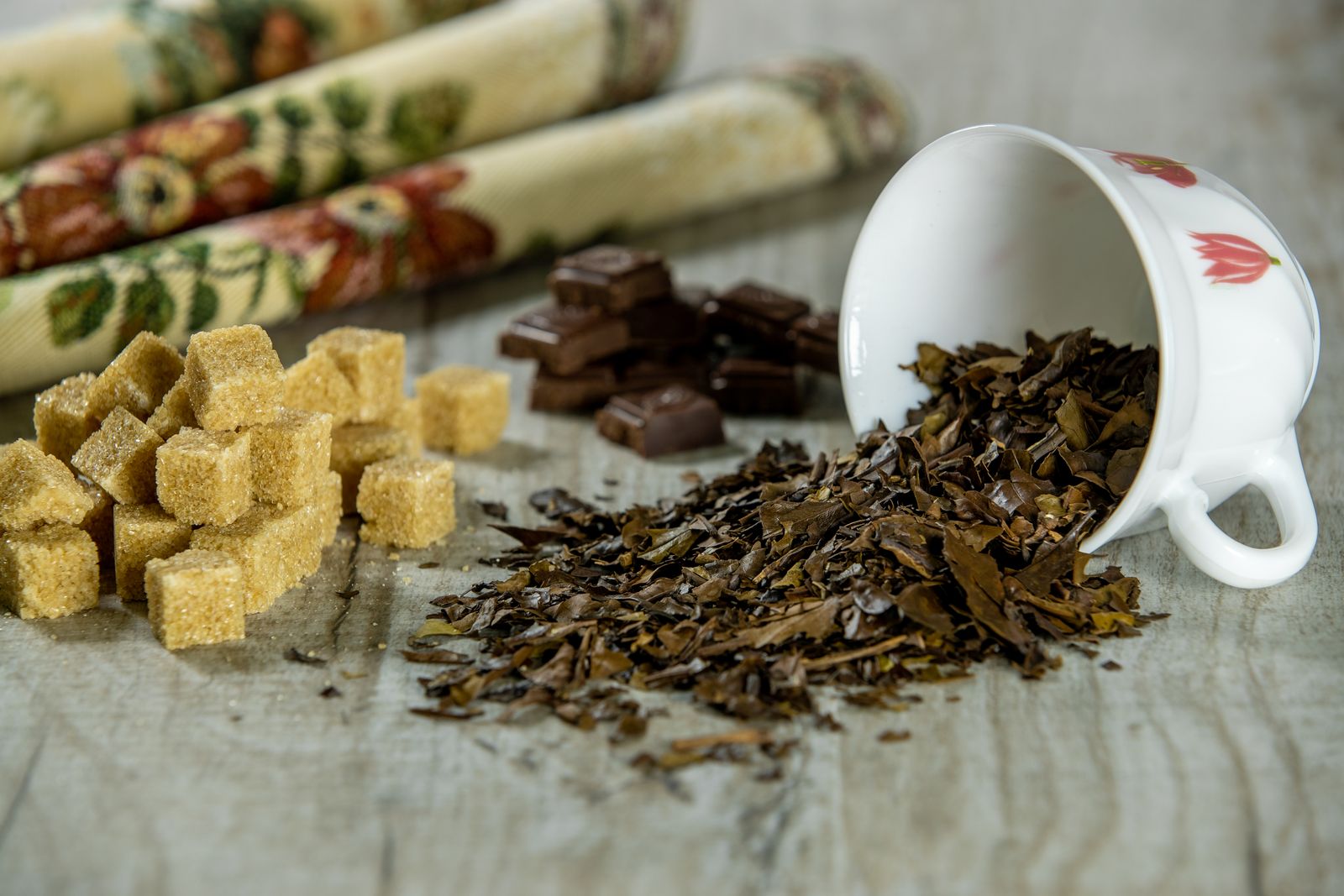
The leaves left behind after brewing black tea could have another use. Food scientists dried and ground them into a fine powder, then mixed it into dark chocolate in place of some of the ground cocoa nibs.
Muhammad Waqar, a food technology researcher at Walailak University in Thailand, and an international team report the results in the International Journal of Food Science and Technology. They tried four recipes, replacing 0%, 3%, 5% or 7% of the cocoa mass with tea powder. Of the three batches with tea, the 3% version generally received the highest tasting scores.
Adding more tea raised the amount of compounds called phenolics and boosted antioxidant activity in lab tests. But “higher substitution levels were associated with less favourable sensory responses,” the authors write in the abstract. The antioxidant tests measured chemical reactions in the lab. The study did not test health effects.
This draft draws on the journal’s abstract and supplementary methods. Full coverage is pending review of the accepted manuscript, including the tasting panel and how the researchers compared scores.
The research
Aqsa Ajaz, Humaira Ashraf, Muhammad Waqar, Anum Liaquat, Djilali Benabdelmoumene, Sajad Ali and Sabrin R M Ibrahim
International Journal of Food Science and Technology · Accepted
DOI: 10.1093/ijfood/vvag242