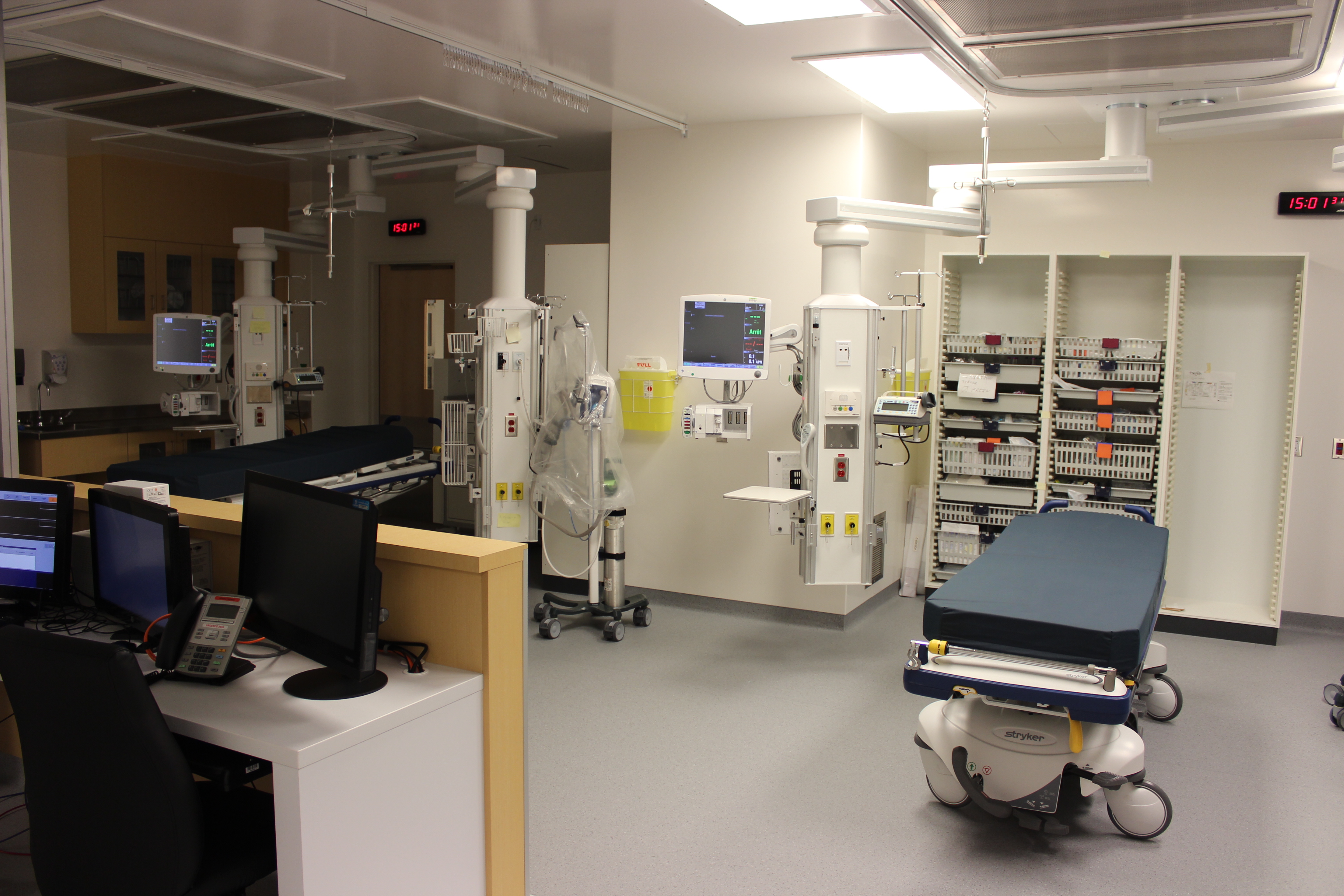
An insult in a trauma bay may have consequences for the patient on the stretcher. At one hospital in Singapore, each recorded instance of rudeness among staff was linked to a wait of about 3½ extra minutes for a required chest X-ray.
Research on workplace rudeness has often focused on offices and laboratory experiments. Sandy Lim, an organizational psychologist at the National University of Singapore, and coauthors wanted to see what happens during actual medical emergencies. For the analysis of X-ray timing, the team used recordings and an observer’s notes from 52 trauma cases to count incidents such as insulting remarks or excluding a colleague. The association held after the researchers accounted for factors including injury severity and team size, they report in Scientific Reports.
In a separate analysis, patients showed more signs of pain, such as grimacing, during care involving staff exposed to more rudeness. That link was weaker when staff more often consulted colleagues before acting. The researchers found no clear link with the number of medical errors, which were uncommon. And at a single hospital, observation alone can’t rule out the possibility that a difficult procedure contributed both to friction among staff and to delays.
In the researchers’ notes, “derogatory remarks often triggered visible frustration, leading to momentary procedural pauses.” The team suggests that encouraging staff to ask for a second opinion during a tense procedure is one way hospitals could help teams stay coordinated.
The research
Sandy Lim, E-Yang Goh, Eugene Tay, Yew Kwan Tong, Lynn Kai Lin Tan, Timothy Xin Zhong Tan, Marcus Eng Hock Ong, Ting-Hway Wong and Jeremy Choon Peng Wee
Scientific Reports · Accepted
DOI: 10.1038/s41598-026-73686-2