Experience physically reshapes the brain, but scientists are still working out how those changes extend across its many regions. Researchers studying mice wanted to learn which kinds of connections between brain cells respond to new experiences, and whether this happens in mature brains as well as young ones.
They found that mice given more opportunities to explore, exercise and socialize developed a different mix of synapses, the junctions where nerve cells communicate, without an overall increase in the density of the connections they measured.
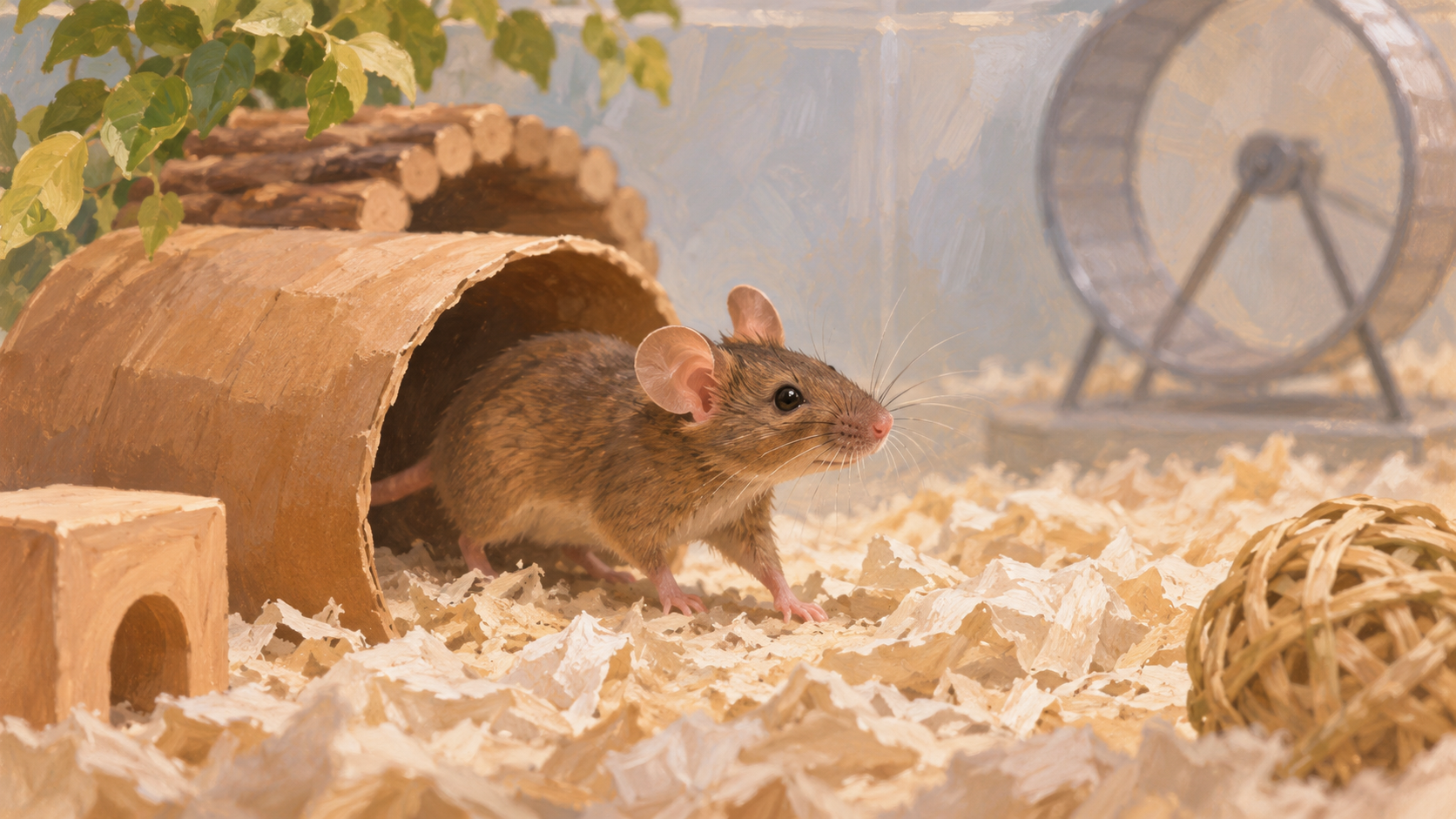
Seth Grant, a molecular neuroscientist at the University of Edinburgh, and colleagues compared mice raised in standard cages with those in larger enclosures containing running wheels, changing mazes and more companions. Using fluorescently labeled proteins, they mapped about 24 million connections per mouse across 100 brain regions.
Some kinds of connections became more common and others less common. Adult mice moved into the richer surroundings for a month showed a broadly similar pattern, suggesting this reshuffling continues beyond early development.
The findings complicate the idea that stimulating experiences simply build more brain connections. Their effects may involve changing the kinds of connections available, although the researchers did not directly test whether the changes improved learning.
The study followed two proteins found at synapses, so it could have missed changes in connections lacking those markers. Exercise, social contact and exploration were bundled together, making their separate effects unclear.
“The work provides a basis for future questions about how our environment, social interactions, and experiences such as prolonged phone or tablet use, modify the brain,” Grant said in a University of Edinburgh news release.
The research
Experience modifies the synaptome architecture in the developing and adult mouse brain ↗
Hanan Woods, Ülkü Günar, Sarah Catherine Gillard, Beverley Notman, Kunhao Yuan, Digin Dominic, Emily Robson, Gabor Varga, Noboru H. Komiyama, Zhen Qiu, Frank Sengpiel and Seth G. N. Grant
Nature Communications · Accepted
DOI: 10.1038/s41467-026-78702-7