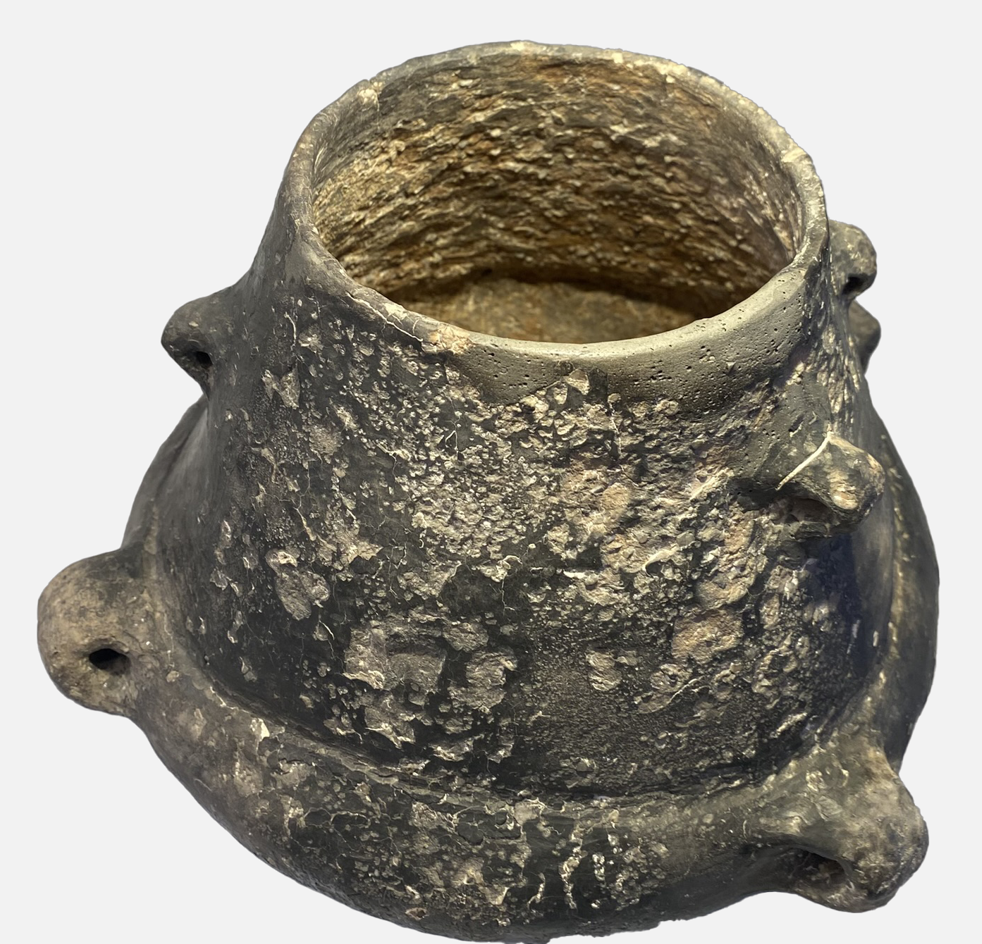
A food like yogurt or kefir may have been left with the dead in Denmark 5,000 years ago. Raw milk left to ferment for 10 weeks in a replica pot produced pits and flaking much like the marks on pottery from the burial chambers.
Lone Claudi-Hansen, an archaeologist at the University of Copenhagen and Museum Vestsjælland in Denmark, and coauthor Adam Cordes examined 330 vessels from tombs, settlements and wetlands in western Zealand. Of the 31 with signs of corrosion, 29 came from inside burial chambers, the researchers report November 26 in the journal Antiquity. Some of the pottery left in tombs was elaborately decorated. But “was it the vessels themselves or their contents that mattered?” Claudi-Hansen asked in a statement from the journal.
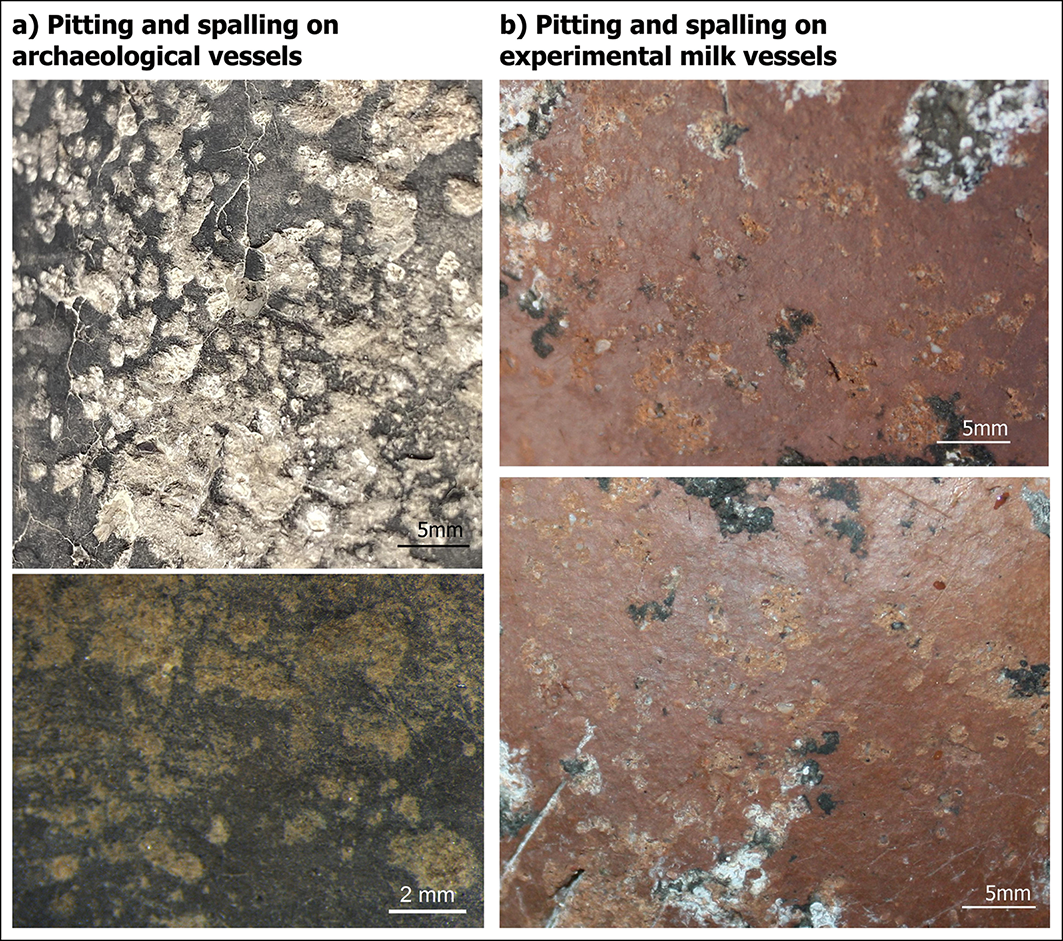
"Our initial hypothesis was that these traces had been caused by beer, because similar patterns have been observed elsewhere in the world,” Claudi-Hansen said
The team compared the ancient pottery with nine replicas exposed to liquids including milk, beer, mead, vinegar and kefir. The necks cracked on two of the beer pots. Whey and kefir left roughened patches. The pot of souring milk came closest to the ancient vessels, though much of the damage appeared on its outside, where liquid could seep through the clay. Most of the ancient marks were inside. The marks alone can’t identify what the ancient pots held.
Fermentation can preserve milk, make it easier to digest and give it flavors and textures familiar today in foods such as yogurt and kefir. Those qualities, the researchers suggest, may also have made fermented dairy a food worth setting aside for the dead.
The research
Lone Claudi-Hansen and Adam Cordes
Antiquity · Published
DOI: 10.15184/aqy.2026.10483