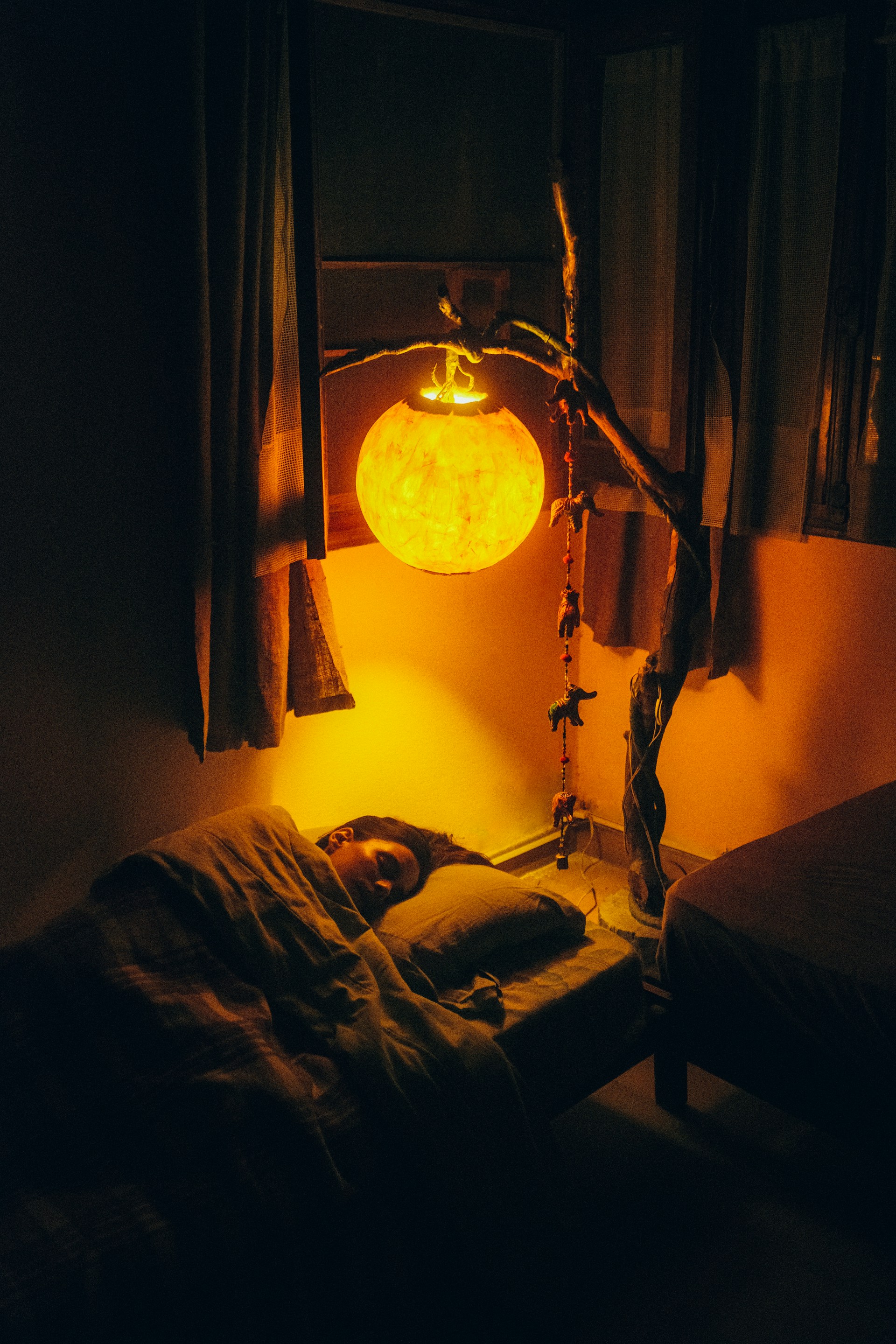
Deep sleep may help the brain hold on to the people and things that make up a new memory. After volunteers learned a short illustrated story, brain cells that responded to details in it fired together overnight. Although, the order in which those cells fired showed no clear link to the order of events in the story, researchers report in Nature Communications.
“How do our brains manage to store our everyday experiences into memory?” the authors ask. Earlier studies showed that brain cells in rodents can replay the order of places the animals visited. Johannes Niediek and colleagues wanted to see whether human brain cells that respond to particular people or things follow a similar pattern.
The researchers recorded from 17 people with epilepsy who already had electrodes implanted to monitor seizures. The team showed them pictures to find cells that responded to particular people or objects. Some cells responded both to a picture and to the written name of what it showed. The team used those pictures to assemble a story for each person to learn before bed.
During deep sleep, cells tied to the story were especially likely to fire together during brief bursts of activity called ripples in the hippocampus, a brain region important for memory. The authors suggest that firing together could strengthen links among the details of an experience. They point to earlier evidence that other areas of the human brain can replay sequences tied to a memory. How the sleeping brain preserves the order of events remains an open question.
The research
J. Niediek, T. P. Reber, M. Bausch, F. Schwimmbeck, H. Gast, V. A. Coenen, J. Boström, C. E. Elger and F. Mormann
Nature Communications · Published
DOI: 10.1038/s41467-026-79544-zRelated reading · Songs from the same genre can evoke similar memories for different listeners