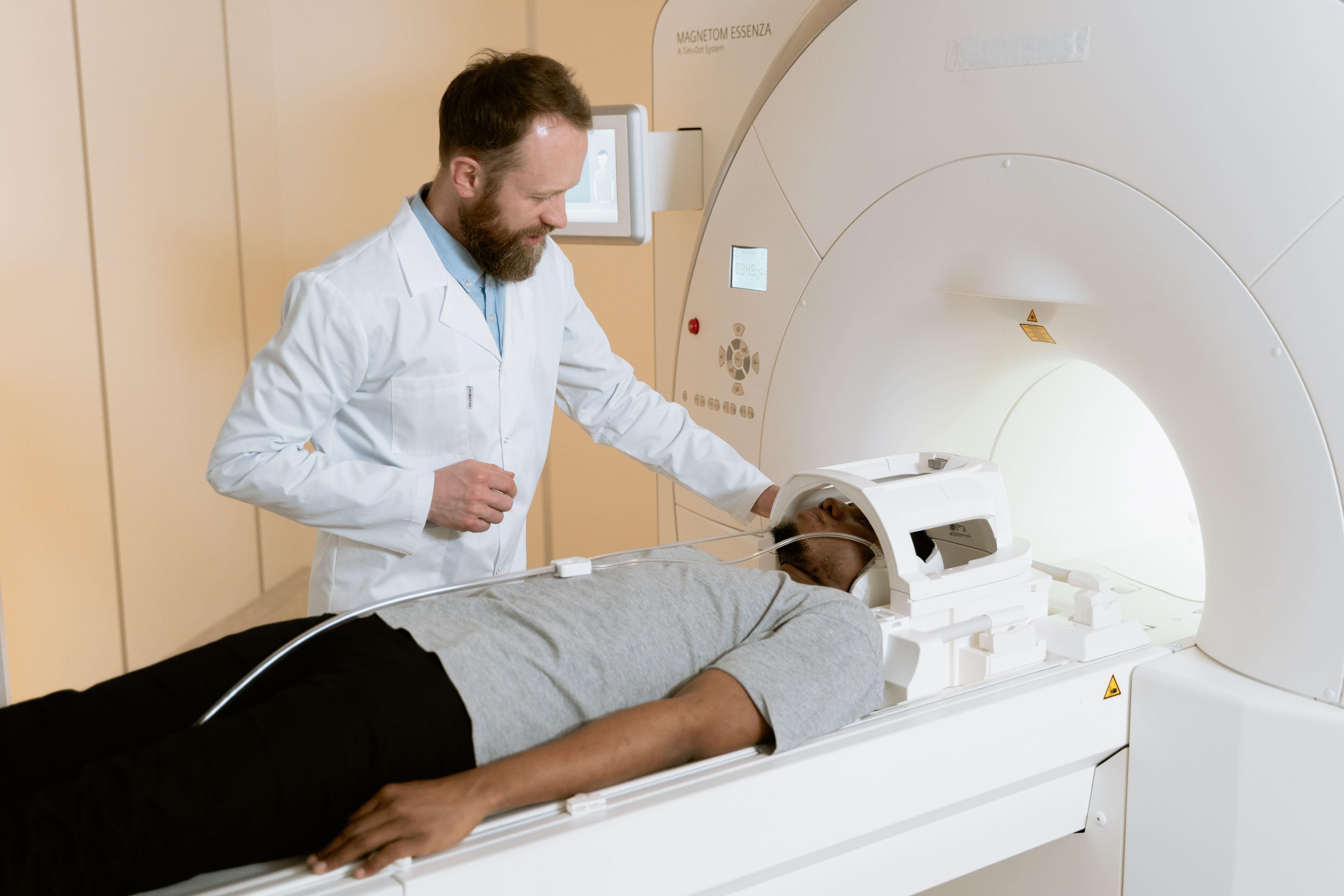
Pancreatic cysts often turn up on scans ordered for something else. Most stay benign, but the discovery leaves doctors with a decision about who needs closer follow-up. An artificial intelligence model could help make that call using information already in patients’ records.
Arya Haj Mirzaian and colleagues used more than 23,000 CT and MRI reports from 8,707 patients with pancreatic cysts across 10 hospitals in one U.S. health system. The model combined details from the reports, such as cyst size and whether the main pancreatic duct had widened, with information from medical records, including family history. The team reports the results in npj Digital Medicine.
When the researchers set aside scans whose reports already described a suspicious mass, the model still flagged about 82 percent of scans followed within a year by a diagnosis of pancreatic cancer or a high-grade precancerous change. It also flagged about 9 percent of scans with neither outcome recorded in that window.
A high-risk flag could mean more scans or procedures. Putting the tool to use would require choosing when to flag a scan to “balance earlier cancer detection against downstream testing,” the researchers write. The team tested the model on past records, so whether it would help doctors diagnose patients sooner remains an open question.
The research
Arya Haj Mirzaian, Nooshin Abbasi, Avinash R. Kambadakone, Ronilda Lacson, Yasmin G. Hernandez-Barco, David X. Jin, Kunal Jajoo, David W. Bates and Ramin Khorasani
npj Digital Medicine · Accepted
DOI: 10.1038/s41746-026-03441-4